
A doctor specializing in the thyroid and endocrine system will examine you.
"An abnormality in my thyroid was pointed out during a health checkup."
Easily tired, palpitations, weight change
I'm worried about whether it's okay to continue taking my thyroid medication.
Thyroid diseases often have nonspecific symptoms,
This is a disease that is often mistaken for menopause, stress, constitution, or fatigue.
At Ikejiri-Ohashi Sera Clinic,
An endocrinologist diagnoses and treats endocrine disorders, including thyroid diseases.
Both hyperthyroidism and hypothyroidism are diagnosed primarily based on blood tests for TSH and thyroid hormones. It can be difficult to make a diagnosis based on symptoms alone, so it's important to get tested when hyperthyroidism or hypothyroidism is suspected.
Thyroid disease can be the cause of "just feeling unwell."
The thyroid is a small organ located in the front of the neck that secretes thyroid hormones, which regulate metabolism throughout the body.
If you have too much thyroid hormone, you may experience symptoms such as palpitations, tremors, weight loss, excessive sweating, feeling hot, and irritability.
Conversely, if thyroid hormone levels are too low, symptoms such as fatigue, drowsiness, sensitivity to cold, swelling, weight gain, constipation, and low mood may occur. In Hashimoto’s disease, patients may also experience a sensation of discomfort or tightness in the neck.
Symptoms may be mild or almost unnoticeable.
Symptoms you thought were due to age or just fatigue can sometimes be caused by an abnormal thyroid function.
Physician Referral
Takehide Agatsuma
(Takahide Kouzumi)
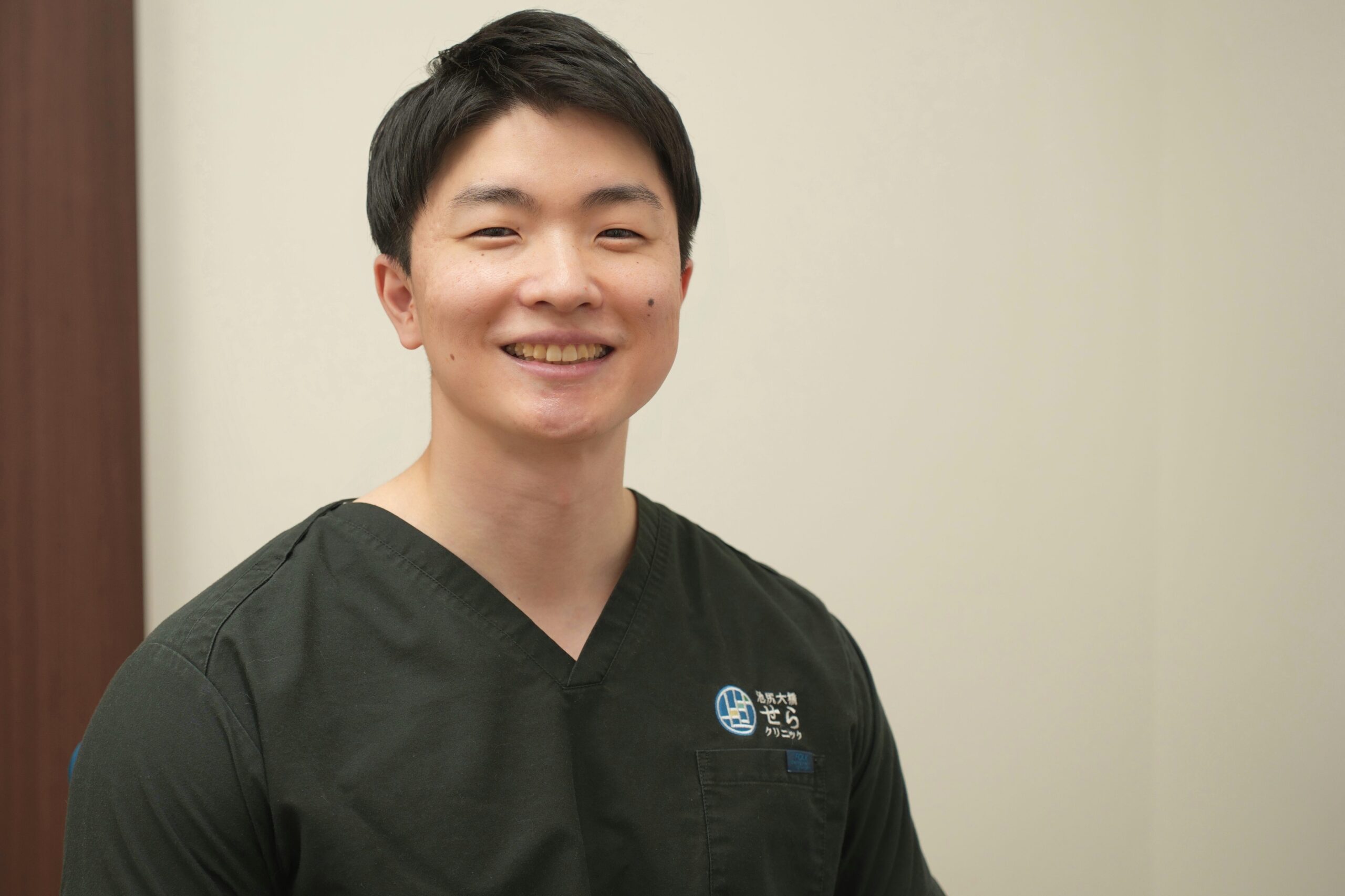
Graduated from Komaba Senior High School attached to the University of Tsukuba
Graduated from Keio University School of Medicine
After experience in general internal medicine at an acute care hospital,
Joined the Department of Nephrology, Endocrinology and Metabolism, Keio University School of Medicine.
We specialize in the treatment of lifestyle-related diseases, especially diabetes, and endocrine disorders such as thyroid disease.
qualifications
- Board Certification in Internal Medicine, The Japanese Society of Internal Medicine
- Diabetologist, Japan Diabetes Society
- Specialist in Endocrinology and Metabolism, Japan Endocrine Society
- Endocrinology, Metabolism, and Diabetes Medical Specialty Residency Supervisor
- Japan Sports Association Certified Sports Doctor
Thyroid disorders we can handle at our hospital
We handle the diagnosis and treatment of the following thyroid diseases. Please refer to the links for details on each disease.
- Graves' disease
- Hashimoto's thyroiditis(Chronic thyroiditis)
- Other thyroid disorders(Painless thyroiditis, subacute thyroiditis, functional nodules, etc.)
- thyroid nodule(Cysts, tumors, etc.)
- Thyroid abnormalities detected during health check-ups or comprehensive medical examinations
- Thyroid dysfunction during pregnancy planning, pregnancy, and postpartum
Please consult us if you have the following symptoms or abnormal test results.
Symptoms associated with high levels of thyroid hormone
- I feel palpitations.
- Fast pulse
- My hands are shaking
- Prone to sweating
- I've started to feel the heat
- I'm losing weight even though I'm eating
- Tired easily
- Easily irritated
- I'm concerned about the swelling in my neck.
- My eyes have started to appear, I have discomfort in my eyes.
Symptoms seen when thyroid hormone levels are low
- Tired easily
- I'm very sleepy.
- I've started feeling the cold
- Prone to swelling
- I gained weight.
- Prone to constipation
- My skin feels dry
- My hair falls out easily.
- I tend to get down easily.
- I have irregular periods.
Abnormalities that may be found during a health check-up or medical examination
- High TSH
- Low TSH
- Abnormal FT4 and FT3 levels
- Positive for anti-TPO antibodies and anti-thyroglobulin antibodies
- TRAb abnormality
- Goiter
- thyroid nodule
- Thyroid cyst
Even if it's described as "slightly abnormal," whether it's acceptable to simply observe or if treatment is necessary depends on the specific details.
If you have your test results, please bring them with you.
Tests and Treatments Available at Our Clinic
blood test
In thyroid disease, blood tests are fundamental for diagnosis and treatment planning.
We mainly perform tests for TSH, FT4, and FT3, which measure the amount of thyroid hormones, and autoantibodies to investigate the causes of thyroid abnormalities.
Thyroid dysfunction can also be associated with abnormal liver function, lipid abnormalities, and abnormal blood sugar levels.
One of our hospital's features is that we can perform general internal medicine examinations.
Thyroid ultrasound
Thyroid ultrasound is performed to check for the size of the thyroid, swelling, lumps, cysts, and other abnormalities.
This is useful for those concerned about neck swelling, those who have been diagnosed with thyroid enlargement or nodules during a health check, and those who need evaluation for Hashimoto's disease or Graves' disease.
Pharmacological therapy, regular follow-up
Depending on the disease or condition, the following treatments and management will be provided.
- Thyroid hormone replacement therapy
- Treatment with antithyroid drugs
- Symptomatic treatment for palpitations, etc.
- Regular follow-up for thyroid function
- Thyroid Function Management During Pre-conception, Pregnancy, and Postpartum
- Consultation for prescription refills and treatment plans for patients currently being treated at another hospital.
If the condition is severe and requires hospitalization, or if surgery or radioactive iodine therapy is necessary, we will refer you to a specialized medical institution.
Regular follow-up is important for thyroid disorders.
Thyroid diseases are important not only for the initial diagnosis but also for monitoring their subsequent course.
For example, Hashimoto's disease may have periods of normal thyroid function, but can progress to hypothyroidism over time.
In Graves' disease, it's necessary to monitor thyroid hormone levels, liver function, and white blood cell count while adjusting medication dosage.
Also, the management goals for thyroid hormones can change during preconception, pregnancy, and postpartum periods.
At our clinic, we consider not only your test results but also your symptoms and lifestyle to collaboratively determine a treatment plan that is easy for you to follow.
Please feel free to contact us first.
If you wish to make an appointment, please book online here.
Frequently Asked Questions (Q&A)
Q. My health check indicated abnormal TSH levels. Should I see a doctor?
A. Yes. We recommend you get examined once.
Abnormal TSH levels can be an indicator of hyperthyroidism or hypothyroidism. Even mild abnormalities may require further testing or follow-up.
Can I make an appointment without a referral letter?
Yes. You can make an appointment without a referral.
Please bring your health check-up results, past blood test results, and medication booklet if you have them.
Q. I am already taking thyroid medication. Is it possible to transfer to your hospital or continue my prescription?
A. It is possible.
We will review your current test results, prescription, and medical history to determine if we will continue your current treatment or revise the treatment plan.
Q. Can you perform a thyroid ultrasound?
A. It is possible.
We handle the investigation of thyroid dysfunction, thyroid swelling, and the evaluation of thyroid nodules.
Q. Can I consult with you if I want to get pregnant or if I am already pregnant?
A. It is possible.
Thyroid hormones are also related to pregnancy and fetal development, so it is important for those who are planning to become pregnant, are pregnant, or are postpartum to manage their condition appropriately.
Can you also treat conditions other than Graves' disease and Hashimoto's thyroiditis?
Yes.
We widely handle thyroid dysfunction, thyroiditis, goiter, thyroid nodules, and more. We cooperate with specialized medical institutions as needed.
[Thyroid diseases are also explained here]
・Graves' disease
・Hashimoto's thyroiditis
・Other thyroid diseases (thyroiditis, nodules, thyroid cancer)
Diabetes and Endocrinology Page
Click here to make a reservation
Open 24 hours. Closed: Sundays/Holidays